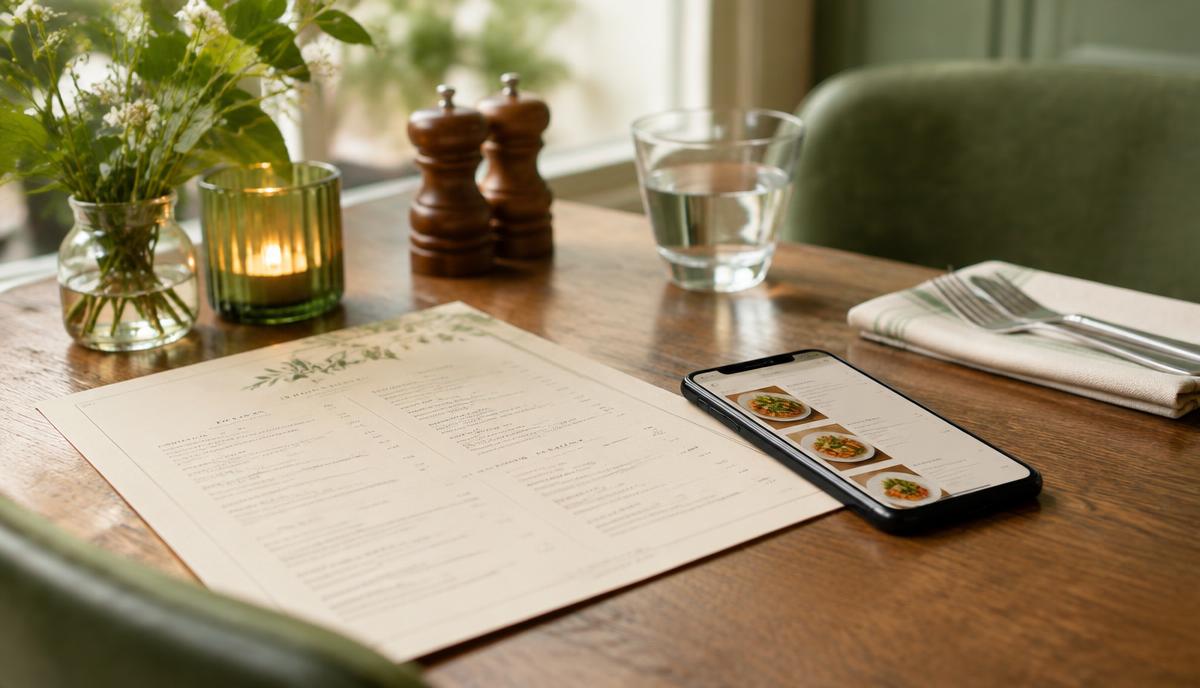
Ensuring food safety is a top priority for businesses in the UK, especially when it comes to allergens. Strict regulations exist to protect consumers and ensure transparency. Here's what food establishments need to know to stay compliant.
Key Regulations
In the UK, allergen information is governed by the Food Information Regulations 2014, which aligns with EU Regulation 1169/2011. Following Brexit, the Food Information (Amendment) (England) Regulations 2019 – also known as Natasha's Law – introduced additional requirements.
What Information Must Be Provided?
Mandatory Allergen Declarations
Businesses must inform customers if any of the 14 major allergens are present in their food:
- Celery
- Cereals containing gluten
- Crustaceans (e.g., crab, lobster)
- Eggs
- Fish
- Lupin
- Milk
- Molluscs (e.g., mussels, squid)
- Mustard
- Nuts (e.g., almonds, hazelnuts, walnuts)
- Peanuts
- Sesame seeds
- Soybeans
- Sulphur dioxide (if above 10mg/kg)
Prepacked Food (Natasha's Law)
Since October 2021, prepacked for direct sale (PPDS) foods – such as sandwiches made and packed on-site – must have a full ingredient list with allergens emphasized in bold, underlined, or highlighted.
Non-Prepacked Food (Restaurants & Takeaways)
- Allergen information must be clearly available on menus, signs, or provided upon request.
- Verbal communication must be supported with written records.
Online & Delivery Orders
- Allergen information must be available before purchase (e.g., on websites, apps).
- The same information must be provided at the time of delivery (e.g., on packaging, receipts).
How to Stay Compliant
Train Staff – Employees should know allergen risks and how to prevent cross-contact.
Keep Records – Maintain updated allergen information for all menu items.
Label Clearly – Ensure allergens are easy to spot on packaging and menus.
Check Suppliers – Always verify allergen details from ingredient providers.
Have a Policy for Allergic Customers – Clearly communicate how you handle allergen requests.
Consequences of Non-Compliance
Failing to provide correct allergen information can result in fines, legal action, and serious health risks for consumers. Some cases have led to criminal prosecution and significant reputational damage.
Ready to Simplify Allergen Management?
If you're looking for a solution to display your allergens to your customers, Allergenius makes it easy with digital menus and QR codes.
Get the free allergen matrix (PDF + editable Excel)
Enter your details and we'll email you both versions – the printable PDF for the kitchen wall, and the fill-in Excel version for your computer.
We'll email your download link straight away. A member of our team may be in touch to see how you're getting on. See our privacy policy.