Latest update (9th October 2026)
Nothing has changed in the law for drinks this autumn. Owen's Law, which would make written allergen information on menus a legal requirement, is still a proposal. Law firm Leigh Day reported on 1st October 2026 that "as of September 2026, Owen's Law has not yet been enacted". The FSA's allergen guidance for food businesses was last updated on 17th July 2026, and that change only updated a link to its labelling decision tool. The rules in this guide are the ones in force today.
Most pubs have their food allergens sorted, but allergens in beer and other drinks are often an afterthought. The menu has a matrix, the kitchen knows which dishes contain what, and staff know where the folder lives. Then a customer at the bar asks, "Is there anything in this IPA I should worry about?" and the room goes quiet.
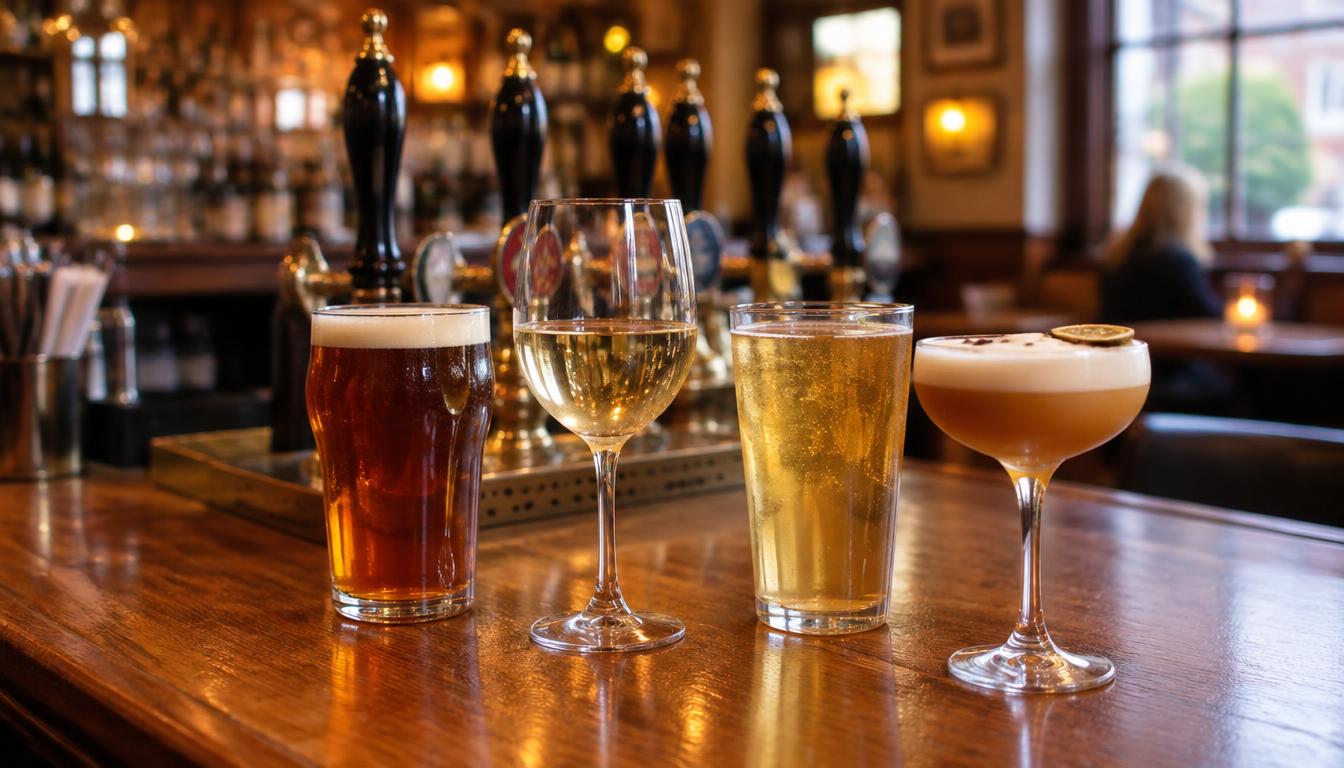
Beer, cider, wine and cocktails are covered by exactly the same UK allergen rules as food. If a drink you serve contains one of the 14 regulated allergens, you must be able to tell your customer. This guide explains where allergens turn up behind the bar, what the law actually requires, and a simple way to keep track when your guest ales change every week.
Yes, drinks are covered by UK allergen law
The 14 allergens apply to food and drink alike. The Food Standards Agency's guidance for food businesses says you "must supply allergen information for every item that contains any of the 14 allergens", and a pint is an item on your bar just as a burger is an item on your menu.
For drinks served loose (on draught, by the glass, or mixed into a cocktail), the rules for non-prepacked food apply. In practice that means:
- You must be able to give accurate allergen information for every drink that contains one of the 14 allergens.
- You can give that information verbally, but only if a written notice in a clearly visible place tells customers how to get it.
- The information must be correct and consistent, whoever is behind the bar.
What is law and what is not. The requirements above are law today. Written allergen information on every menu is not yet a legal requirement for pubs and restaurants in England, Wales and Northern Ireland. That is what Owen's Law proposes, and the FSA supports it in principle, but it has not been passed. Even so, the FSA's guidance notes that written information, backed up by a conversation, works best for customers. Getting your drinks into writing now is good practice and will put you ahead if the law changes.
If you want a refresher on the full list, our guide to the 14 food allergens in the UK covers each one.
The usual suspects: where allergens hide in drinks
Some drink allergens are obvious, like cream in a White Russian. Others are not, like the lactose in a milk stout or the almond syrup in a Mai Tai. Here is a quick reference for the bar.
- Beer and lager: check cereals containing gluten (barley, wheat, oats, rye), milk, nuts, peanuts and sulphites. They come from malted grains, lactose in milk stouts and some low-alcohol beers, and flavourings in speciality beers.
- Cider: check sulphites, sometimes gluten, and flavoured ciders. They come from preservatives and some flavoured or blended products.
- Wine and sparkling wine: check sulphites, and nuts in some flavoured sparkling wines. They come from sulphites used as a preservative and almond-flavoured sparkling wines.
- Spirits: check flavoured spirits for nuts and peanuts, from nut or peanut flavourings added to some products.
- Liqueurs: check nuts and milk, from almond and hazelnut liqueurs and cream liqueurs.
- Cocktails: check eggs, milk, nuts and celery, from egg white sours, cream drinks, orgeat and falernum syrups, and celery garnish in a Bloody Mary.
These examples come from the NCASS Allergens and Alcohol guide and Cask Marque. Always check the product you actually stock, because recipes vary between brands and change over time.
Gluten in beer
Gluten in beer is the allergen question you will hear most. Most beers and lagers are brewed from barley or wheat, so the starting assumption should be that a beer contains gluten unless the producer says otherwise.
"Gluten free" beers come in two kinds. Some are brewed from naturally gluten-free grains. Others are brewed from barley and then treated to remove gluten. According to Coeliac UK, a gluten-removed beer that tests at 20 ppm or less can legally be labelled gluten free, but it must still say "contains barley" on the label. Some customers with coeliac disease choose to avoid these, so pass on the full label wording rather than just saying "it's gluten free".
Sulphites in wine, cider and beer
Sulphites are the other big one behind the bar. Sulphur dioxide and sulphites only count as a declarable allergen above 10 mg per litre, measured as total SO2 (UK food information law, Annex II). Most wines are above that level, which is why "contains sulphites" appears on so many bottles. Check cider, perry and some beers too.
Milk, nuts and peanuts in speciality beers
Craft and speciality beers are where surprises happen. Milk stouts and some low-alcohol beers use lactose (milk sugar) to add body. Some speciality beers use nut or peanut ingredients. Cask Marque's auditor even reported finding two beers containing shellfish during audits. If a beer has a dessert-style name, assume nothing and check the specification.
What about finings and distilled spirits?
UK law has a few specific exemptions that are useful to know:
- Isinglass and fish gelatine used as a fining agent in beer and wine do not need to be declared as fish.
- Cereals, whey and nuts used to make alcoholic distillates do not need to be declared. So a whisky distilled from barley does not have to be listed as containing gluten.
Both exemptions come from Annex II of the food information rules linked above. Be careful with flavoured spirits and liqueurs, though: anything added after distillation, like a nut flavouring or cream, is not exempt.
Cask and guest ales: keeping up with rotating lines
Rotating guest ales are the hardest part of drinks allergen management. A new cask goes on, the old one comes off, and the allergen information has to change with it on the same day.
A simple routine helps:
- Get the information before the cask arrives. Ask your brewer or wholesaler for allergen details in writing, ideally on the delivery note or product specification.
- Update your records when you change the line. Make updating the allergen record part of the job of changing a cask, just like updating the pump clip.
- Clean lines after allergen beers. Cask Marque recommends flushing or cleaning draught lines after serving a beer with an unusual allergen, and recording it in the cellar book.
- Name one person as the allergen lead. Cask Marque suggests an "Allergy Champion" who holds ingredient information for all food and drink and checks it regularly.
This is where a paper folder struggles. By the time someone reprints the drinks page, the beer may already be gone. A digital menu that you update in seconds keeps up with your lines, which is one reason pubs move their allergen information to a tool like Allergenius. Our guide to switching from paper allergen folders to digital menus walks through the change.
Cocktails and garnishes
Cocktails combine several products in one glass, so the allergens add up. Treat each cocktail like a dish on your food menu, with its own recipe and allergen list.
Watch for these:
- Egg white in sours and fizzes.
- Milk and cream in White Russians, Piña Coladas and cream liqueurs.
- Nuts in orgeat, falernum, amaretto and hazelnut liqueurs.
- Celery in Bloody Mary garnishes and celery salt rims.
- Shared equipment. A shaker, jigger or blender used for an egg or cream cocktail can carry traces into the next drink. Rinse or swap equipment, just as you would clean utensils in the kitchen.
If your bartenders freestyle or swap ingredients, the allergen information has to follow. Agree a standard recipe for each cocktail on the menu and stick to it.
Getting allergen information from brewers and suppliers
Bottles and cans must declare the 14 allergens on their labels, even though alcoholic drinks do not have to carry a full ingredients list (Coventry City Council trading standards). Draught products are harder because your customer never sees the keg.
Ask every supplier for:
- A product specification or allergen statement for each drink.
- Confirmation of the cereals used (for example wheat or barley), not just "gluten".
- Notice of any recipe changes.
File it where staff can find it in seconds. Cask Marque found that when about two dozen bar staff were asked about allergens in beer during audits, none could answer or knew where to find the information. That is the gap to close. Our guide to allergen training for staff covers how to brief your team.
Displaying drinks allergens: pump clips, drinks menus and QR codes
You have a few options for showing pub allergen information, and most pubs use more than one.
- Allergy sign at the bar: good for meeting the legal minimum for verbal information. Watch out: staff still need accurate answers.
- Pump clips: a quick visual cue on draught lines. Watch out: not all brewers include allergens, and space is tight.
- Printed drinks menu: good for bottles, wines and cocktails that rarely change. Watch out: it goes out of date when stock changes.
- Allergen matrix folder: a full record for staff. Watch out: it is slow to search during a busy service.
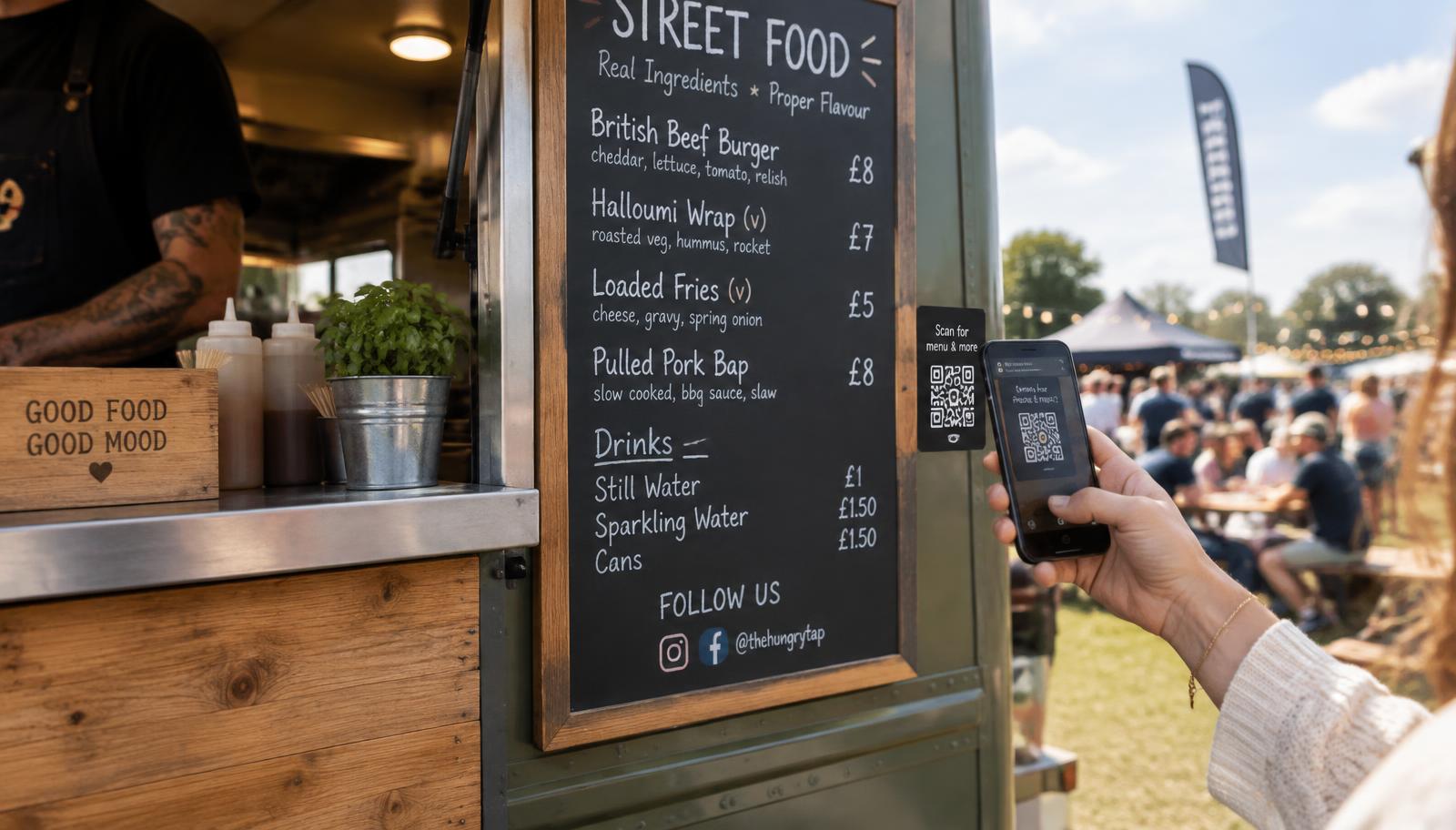
- QR code digital menu: good for rotating ales and customers who want to check privately. Watch out: keep a printed or verbal backup for customers who prefer it.
A QR code on the bar or table lets customers filter your full drinks list by allergen on their own phone. With Allergenius, you add your drinks alongside your food, and changes go live the moment you save them. Your printed QR code never needs reprinting. You can see how it looks on the demo menu.
Your drinks allergen checklist
Use this checklist to get your bar in order this week.
- List every drink you serve: draught, bottles, cans, wines, spirits, liqueurs, soft drinks and cocktails.
- Collect allergen information in writing from each supplier.
- Record the 14 allergens for each drink in your allergen matrix or digital menu.
- Write standard recipes for every cocktail, including garnishes and syrups.
- Agree who updates records when a guest ale or new product goes on.
- Clean draught lines and bar equipment after allergen products, and record it.
- Display a clear allergy sign at the bar telling customers how to get information.
- Brief every member of bar staff on where the information is and what to say.
- Review the whole list at least monthly and whenever a supplier changes.
Keep your bar records up to date without manual spreadsheets
Rotating guest taps, seasonal wine lists, and cocktail recipe tweaks make paper records a constant headache to keep accurate. While some bars start with a free allergen matrix template, updating rows by hand every week takes time and invites mistakes.
Allergenius keeps your drinks menu live on your customers' phones and lets you download a print-ready allergen matrix for your bar in one click whenever you need a paper copy on hand. If you expect a visit soon, see our guide to preparing for an EHO allergen inspection.
If your lines change every week, a digital menu saves a lot of reprinting. Allergenius plans start from £15 a month for one venue, and we can set up your food and drinks menu for you from a one-off £125 if you would rather not do it yourself.
See how it works: open the Allergenius demo menu on your phone and try filtering by allergen. When you are ready, sign up and add your drinks to your Allergenius menu in minutes.
FAQ
Do pubs have to provide allergen information for drinks? Yes. UK allergen rules cover drinks as well as food. If a drink you serve contains any of the 14 allergens, you must be able to give customers accurate allergen information about it, either in writing or verbally with a visible sign explaining how to ask.
What allergens are in beer? The most common allergen in beer is gluten, from barley, wheat, oats or rye. Some beers also contain milk (lactose in milk stouts), nuts or peanuts in speciality brews, and sulphites. Always check the brewer's specification for each beer you serve.
Do I need to declare sulphites in wine? Yes, if the wine contains more than 10 mg per litre of sulphur dioxide, measured as total SO2. Most wines are above that level, so treat wine as containing sulphites unless the producer confirms otherwise.
Is isinglass in beer a fish allergen? No. UK food information law exempts fish gelatine and isinglass used as a fining agent in beer and wine from being declared as fish. Some vegetarian and vegan customers may still want to know, so it is worth having the information to hand.
Is gluten-free beer safe for coeliacs? Beer labelled gluten free must test at 20 ppm of gluten or less. Some gluten-free beers are made from barley with the gluten removed, and these must still say "contains barley" on the label. Share the full label wording so customers can make their own choice.
Is Owen's Law in force for pubs? No. Owen's Law is a proposal to make written allergen information on menus a legal requirement. As of September 2026 it has not been enacted. Today, pubs can give allergen information verbally as long as a clear sign tells customers how to ask.
Sources
- Food Standards Agency: Allergen guidance for food businesses
- Food Standards Agency: guidance page and change history
- Retained Regulation (EU) 1169/2011, Annex II
- Leigh Day: Recent food allergy law changes explained, 1st October 2026
- Cask Marque: Allergens, not just in food. Check your beers!
- NCASS: Allergens and Alcohol guide
- Coeliac UK: Gluten-removed beer labelled gluten free
- Coventry City Council: Labelling of alcohol products
Ready to Simplify Allergen Management?
If you're looking for a solution to display your allergens to your customers, Allergenius makes it easy with digital menus and QR codes.
Get the free allergen matrix (PDF + editable Excel)
Enter your details and we'll email you both versions – the printable PDF for the kitchen wall, and the fill-in Excel version for your computer.
We'll email your download link straight away. A member of our team may be in touch to see how you're getting on. See our privacy policy.