Latest update, 6th October 2026: Owen's Law is still a proposal, not law. As of September 2026 it "has not yet been enacted, but it is supported in principle by the Food Standards Agency and remains under active consideration" (Leigh Day, 1st October 2026). The government's allergen guidance for food businesses, last updated on 17th July 2026, still lets you give allergen information verbally, as long as a clear written notice tells customers how to ask (GOV.UK). The campaign is pushing for a law before April 2027. We will update this post as soon as anything changes.
If you run a restaurant, café, pub or takeaway, you may have heard people talking about Owen's Law. It is a campaign to make written allergen information a legal requirement on every menu, not just something staff tell customers when asked. It is not law yet. But the Food Standards Agency (FSA) supports it, and its best practice guidance already asks you to work this way.
This guide explains what Owen's Law is, who it would affect, how it differs from Natasha's Law, and five simple steps you can take this month so you are ready whatever happens.
What is Owen's Law?
Owen's Law is named after Owen Carey. In April 2017, on his 18th birthday, Owen ate at a restaurant in London. He told staff about his severe dairy allergy, but he was served a chicken burger marinated in buttermilk. He had a fatal allergic reaction (SnackSafely, April 2026). The buttermilk was not shown on the menu.
Since then, Owen's family have campaigned for a change in the law. As reported by SnackSafely, the campaign asks for:
- A legal requirement for restaurants to show all allergens on their menus, using symbols, words or numbers
- Staff to start a conversation about allergens with every diner before they order
- A national register of deaths from anaphylaxis
Owen's father, Paul Carey, summed up the campaign simply: "We've never met any chef or manager that said it can't be done. It just has to be done."
Is Owen's Law the law yet?
No. This is the most important thing to understand. Here is where things stand, with what is law and what is only proposed kept separate.
- Food Information Regulations 2014 (14 allergens) — law now. You must be able to tell customers which of the 14 allergens are in each dish.
- Natasha's Law (prepacked for direct sale food) — law now, since 1st October 2021. Full ingredient labels on food you pack on site before the customer orders.
- Verbal allergen info plus a written sign — allowed by law now. You can tell customers verbally, if a visible notice explains how to ask.
- FSA best practice guidance (February 2025) — guidance, not law. The FSA expects written allergen info plus a conversation.
- Owen's Law (written allergen info on every menu) — proposed only. No legal duty yet, but backed by the FSA in principle.
The FSA Board agreed in December 2023 that written allergen information in places like restaurants and coffee shops should become a legal requirement, and the Chair wrote to ministers in England, Wales and Northern Ireland to ask for it (FSA). In September 2025, the Chair confirmed she had written to new ministers about this work (FSA Board minutes, 17th September 2025).
Only ministers and Parliament can change the law, and no date has been set. In April 2026, Paul Carey met the Minister for Food Security, and the campaign wants the law in place before the tenth anniversary of Owen's death in April 2027 (SnackSafely). That is a campaign goal, not a confirmed deadline.
Who would Owen's Law affect?
The proposal covers non-prepacked food: anything you make and serve loose, rather than packing before the customer chooses it. That includes:
- Restaurants and pubs serving food
- Cafés and coffee shops
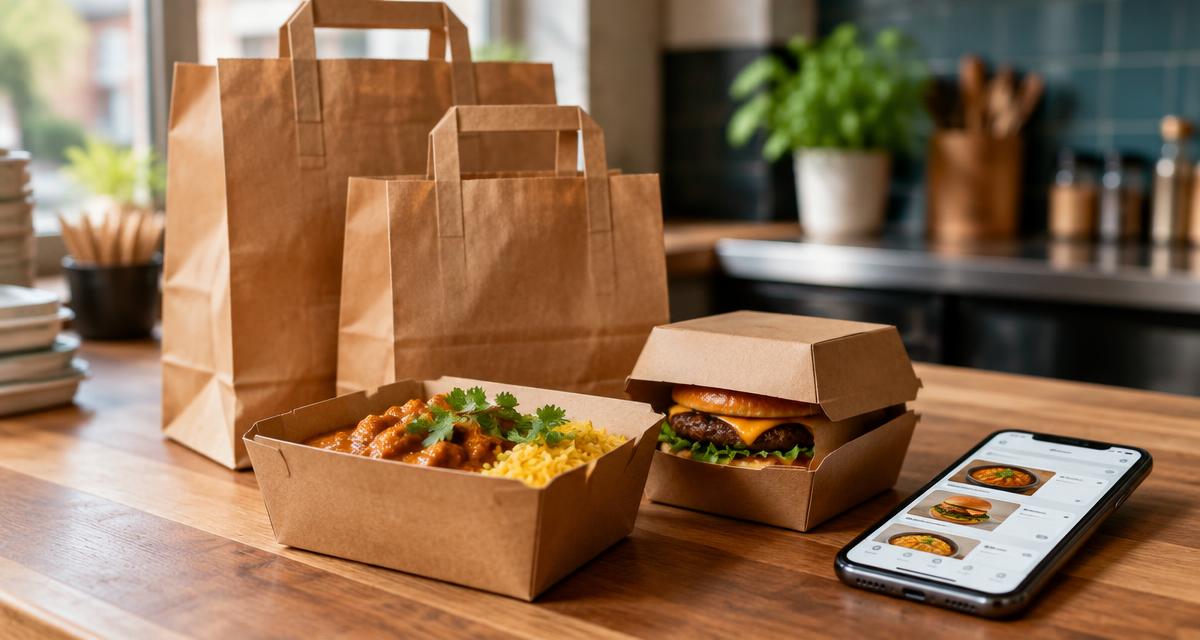
- Takeaways and delivery kitchens
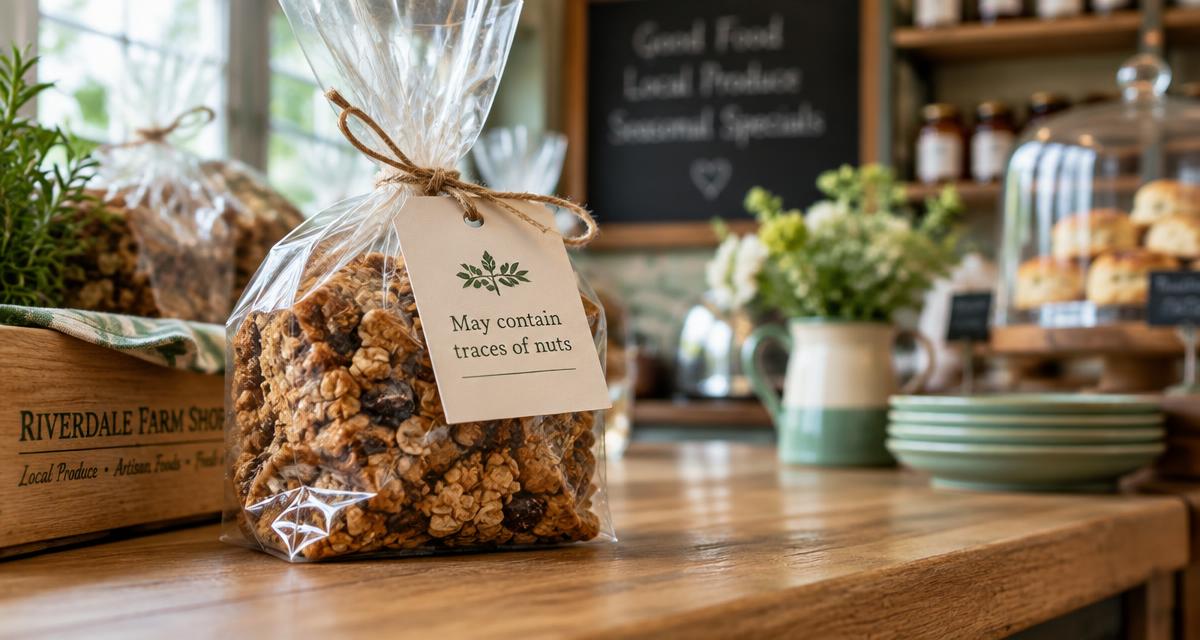
- Bakeries selling loose items over the counter
- Mobile caterers, food trucks and market stalls
The FSA Board said it wanted the change on a "four-country basis", covering England, Wales and Northern Ireland, with Food Standards Scotland also contacted (New Food Magazine). If you serve food to the public, it is safest to assume it would apply to you.
How Owen's Law differs from Natasha's Law
People often mix the two up, so here is the short version.
Natasha's Law is already in force. It covers prepacked for direct sale (PPDS) food: things like sandwiches or salads you pack on site before the customer picks them up. These need a full ingredients list with allergens emphasised (FSA). If you sell grab-and-go food, our Natasha's Law guide for cafés and food-to-go covers it in detail.
Owen's Law would cover the food you cook and serve to order, which is most of what a restaurant sells. At the moment you can rely on staff answering questions verbally. Owen's Law would make written allergen information compulsory too, so the customer can see it for themselves before ordering.
What would change on your menu?
The detail would only be confirmed if a law is drafted. But the FSA's current best practice guidance gives a strong clue, because it describes exactly what the FSA wants to become standard (GOV.UK, best practice guidance). It says businesses should:
- Make allergen information "easily available in writing" and back it up with a conversation
- Cover all 14 allergens, and name the specific nut or cereal rather than just "nuts" or "cereals"
- Use words, or symbols with text, so the information is clear
- Ask customers about allergies, with a clear message such as "Please talk to us if you have a food allergy, intolerance or coeliac disease"
- For online ordering, keep allergen information no more than "one click away", and provide it again on delivery
- Have procedures to keep allergen information accurate and up to date at all times
The guidance also says plainly: "You are not required by law to follow best practice guidance." So none of this is a legal duty today. We covered the guidance in more depth in FSA 2025 written allergen guidance: what it means for you.
In practice, if Owen's Law passes, a busy restaurant would need written allergen details for every dish, specials included, that are always correct. The hard part is not writing it once. It is keeping it right every time a recipe, supplier or special changes.
A 5-step plan to get ready for Owen's Law now
You do not need to wait for a new law. These steps help you meet the current rules, follow FSA best practice and be ready if Owen's Law arrives.
1. Build a complete allergen record for every dish
List every dish, side, sauce and dressing against the 14 allergens. Check supplier labels, not memory. Our free allergen matrix template is a good place to start.
2. Put allergen information in writing for customers
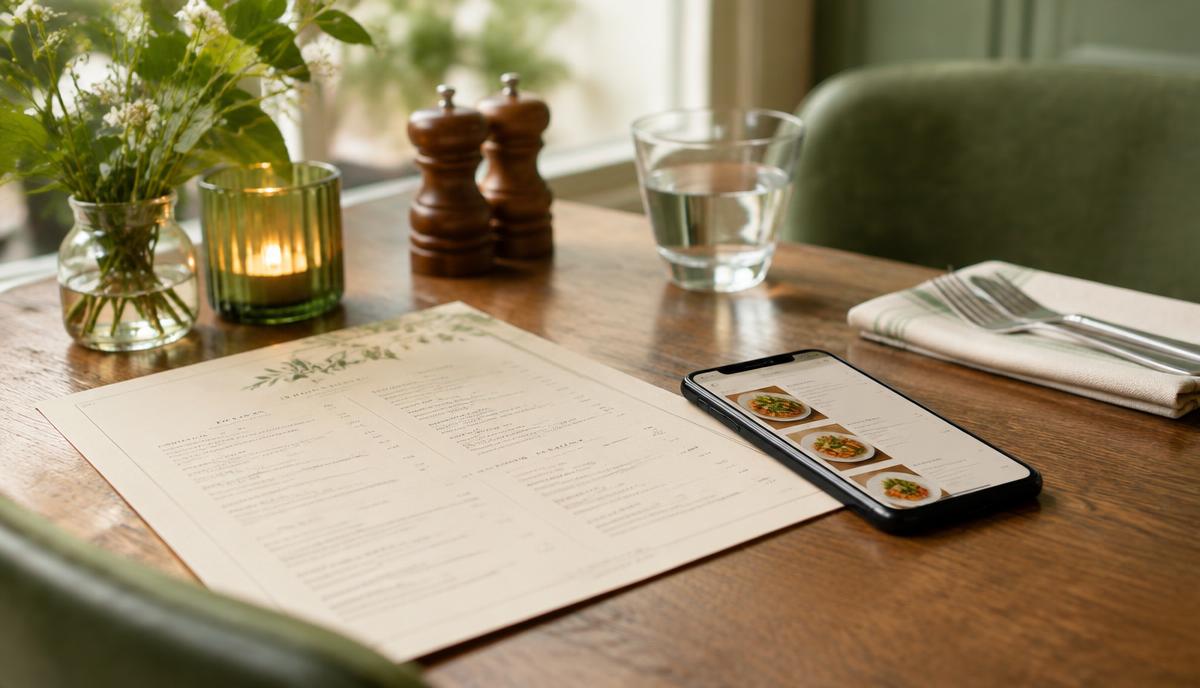
Choose how customers will see it: allergen symbols on the menu, a separate allergen menu, or a digital menu they open with a QR code. Whatever you pick, it must be easy to find and easy to read. This is where a tool like Allergenius helps: you add your dishes once, and customers scan a QR code to filter the menu by their allergens, with no app needed.
3. Keep the conversation going
Written information does not replace talking to customers. Add a clear "please tell us about any allergies" message to menus and the till, and make sure staff ask. Our guide to allergen training for staff covers what every team member should know.
4. Set a routine for changes
Most allergen mistakes happen when something changes: a new supplier, a swapped ingredient, a daily special. Decide who updates the allergen record, and make it part of the change, not an afterthought. With a digital menu such as Allergenius, updates go live instantly, so printed sheets never fall out of date.
5. Check your takeaway and delivery menus
If you sell online or through delivery apps, make sure allergen information is easy to reach before the customer pays, and that it travels with the order. See our takeaway and delivery allergen rules guide for the details.
Your Owen's Law readiness checklist
- Every dish, sauce and side is recorded against all 14 allergens
- Specific nuts and cereals are named (for example "walnut", "wheat")
- Customers can read allergen information without having to ask
- A visible notice invites customers to tell staff about allergies
- Staff know how to answer allergen questions and when to check
- Specials and new dishes are added before they go on sale
- Supplier or recipe changes trigger an allergen update
- Online and delivery menus show allergens before checkout
Why acting early makes sense
More than two million people in the UK live with food allergies, intolerances or coeliac disease (New Food Magazine). Clear, written allergen information helps them choose with confidence, and it helps your team answer questions without guessing.
Acting now also takes the pressure off. If a new law comes in, you will already be working the way it expects. If it takes longer, you are still following FSA best practice and giving customers a better experience today.
See written allergen information in action
Allergenius gives every dish written allergen information across all 14 allergens, already. Customers scan a QR code, filter the menu by what they need to avoid, and see the answer in seconds. You update it from one dashboard, and the changes go live straight away.
See the demo menu to see what your customers would see. When you are ready, sign up here. Plans start from £9 a month, or we can set everything up for you.
Frequently Asked Questions
Ready to Simplify Allergen Management?
If you're looking for a solution to display your allergens to your customers, Allergenius makes it easy with digital menus and QR codes.
Get the free allergen matrix (PDF + editable Excel)
Enter your details and we'll email you both versions – the printable PDF for the kitchen wall, and the fill-in Excel version for your computer.
We'll email your download link straight away. A member of our team may be in touch to see how you're getting on. See our privacy policy.