Latest update (20th October 2026)
- On 12th October 2026, reports of the inquest into the death of 12-year-old Mia-Shay St Hilaire confirmed that a milkshake blender had not been cleaned after a hazelnut drink was made in it.
- Her parents are calling for a separate allergy rating for food businesses, like the food hygiene rating. This is a campaign proposal, not law. No allergy rating scheme exists in England today.
- Owen’s Law (written allergen information on menus) is still proposed, not law, as of October 2026.
- What is law now: you must tell customers if any of the 14 allergens are in the food you serve, and you must manage allergen risks in your kitchen.
Allergen cross contamination is the risk most small kitchens underestimate. You can have a perfect allergen matrix and well-trained staff, and still make someone seriously ill because a blender jug, a fryer or a pair of tongs carried an allergen from one dish into another. This guide explains what allergen cross contamination is, where it happens in cafes, takeaways, pubs and food trucks, and the simple checks that stop it.
It is written for busy owners. Every step here is something you can put in place this week.
Why allergen cross contamination is in the news
In August 2023, Mia-Shay St Hilaire, aged 12, had a fatal allergic reaction after drinking a milkshake at a cafe in Southwark, south London. She had a tree nut allergy. CCTV showed the blender had not been cleaned before her drink was made, and residue from a previous milkshake caused the reaction.
The cafe operator pleaded guilty to six charges. They included failing to make allergen advice available to customers and failing to manage allergen contamination during food production. On 24th January 2025 he was fined £18,000 and given a 100-hour community order.
The inquest, reported on 12th October 2026, found that the blender had previously been used for a milkshake containing hazelnut cream. The council said the death “might have been avoided” if simple food safety rules had been followed.
That is the hard lesson. The ingredients in the drink Mia-Shay ordered were not the problem. A piece of shared equipment was.
The proposed allergy rating: what it is and is not
Mia-Shay’s parents want “a separate, clearly displayed rating dedicated to allergy management, like the food hygiene rating”. The Food Standards Agency (FSA) responded that “food businesses must take allergen risks seriously, every time”, and pointed to its updated cross-contact guidance and free training. The reports did not say whether the FSA supports a rating scheme.
So, to be clear: an allergy rating is a proposal from campaigners. It is not law and there is no date for it. But it shows where customer expectations are heading. People with allergies want proof that a kitchen controls cross-contact, not just a list of ingredients.
What is allergen cross contamination?
Allergen cross contamination (also called allergen cross contact) happens when an allergen gets into a food that should not contain it. It can be a tiny amount: a smear of nut butter left in a blender, a crumb of bread on a board, or flour in the air. For someone with a severe allergy, that tiny amount can be enough to cause a reaction.
It is different from bacterial cross contamination in one important way. Cooking does not destroy allergens. Heat can kill bacteria, but it will not make peanut protein safe. That is why cleaning and separation matter so much.
Around 6% of UK adults, roughly 2.4 million people, have a clinically confirmed food allergy, according to FSA research. Peanuts and tree nuts such as hazelnuts, walnuts and almonds are the foods most likely to cause reactions. Those people eat out, order takeaways and buy coffee every day.
What the law says (and what is only guidance)
| Rule | Law or not? | What it means for you |
|---|---|---|
| Tell customers about the 14 allergens in your food | Law now | You must tell customers if any food you provide contains any of the 14 allergens as an ingredient |
| Manage allergen risks in the kitchen | Law now (food safety rules) | Failing to manage allergen contamination was one of the charges in the Southwark case |
| Improvement notices and penalties | Law now | Councils enforce allergen rules. You have 14 days to appeal an improvement notice, and some cases lead to prosecution |
| Written allergen information backed by a conversation | FSA best practice, not law | Recommended in the FSA’s guidance for non-prepacked food |
| Owen’s Law (written allergen information required) | Proposed, not law | Supported in principle by the FSA, no date set |
| Allergy rating for food businesses | Proposed by campaigners, not law | No scheme exists in England |
For the full picture on what may change, read our guide to Owen’s Law.
Where cross contamination happens in small kitchens
Big chains often have separate prep areas. Most independents do not. In a small kitchen, the same few pieces of kit do most of the work, and that is where the risk sits.
Blenders, milkshake makers and coffee machines
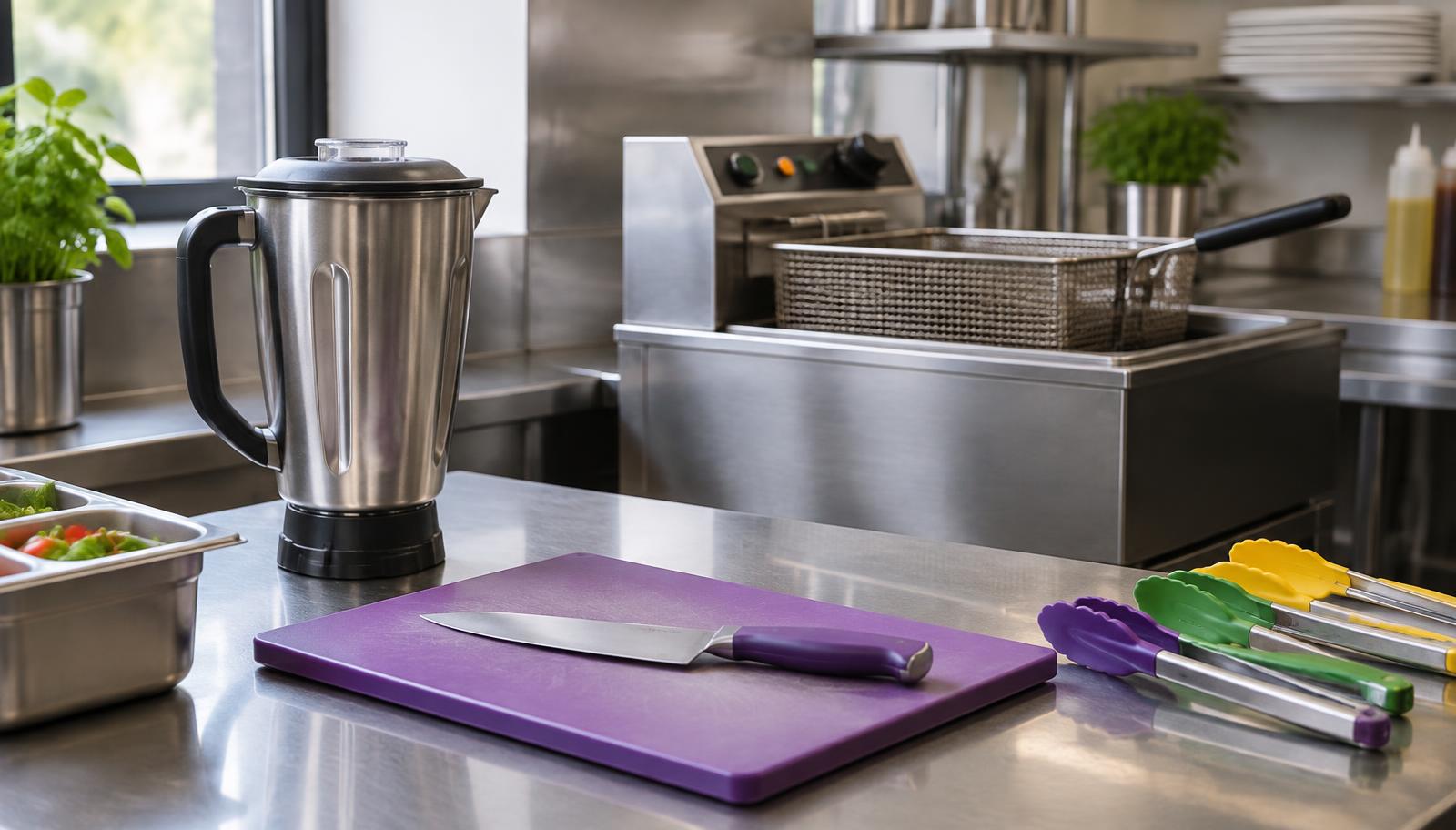
- Blender jugs are hard to clean by eye. Thick nut butters, chocolate spreads and syrups cling under the blades. A quick rinse is not enough.
- Wash the jug, lid and blade assembly in hot soapy water after every allergen drink, then rinse and dry.
- Better still, keep a dedicated jug for allergy orders and mark it clearly.
- Steam wands on coffee machines can carry milk and soya proteins. Purge and wipe the wand between drinks, and use a clean jug for every plant milk order.
- Toppings, sauces and sprinkles often sit in open tubs next to each other. Keep nut toppings well away, with their own spoons.
Fryers and cooking oil
- The FSA guidance is direct: allergen cross-contamination can happen through using the same cooking oil. Its example is that you cannot cook gluten-free chips in oil previously used for battered fish.
- If you only have one fryer, be honest. Tell customers chips are cooked in shared oil.
- If you have two, label one for allergen-free items and stick to it, every shift.
- Remember that battered fish, breaded chicken, onion rings and some chips can bring allergens such as cereals containing gluten, egg, milk and fish into the oil.
Boards, knives, tongs and surfaces
- Use separate chopping boards and utensils for allergen-free orders. Many kitchens use a purple board and purple-handled knife for this.
- Clean surfaces with hot soapy water before preparing an allergy order.
- Watch tongs and serving spoons on the pass and on buffets. One spoon moving between two dishes undoes all your work.
Hands, gloves and cloths
- Wash hands thoroughly between preparing dishes with and without certain allergens.
- Changing gloves without washing hands does not help much if the gloves touch the same surfaces.
- Use a fresh cloth for an allergy order. A cloth wiped across a floury bench spreads gluten.
Storage and deliveries
- Store ingredients in closed, labelled containers and keep allergen ingredients separate.
- Store nuts and flour low down, so spills cannot fall into other food.
- Check every delivery against the product you expected. A supplier swap can bring new allergens in without anyone noticing. This is one reason to keep your allergen records digital and easy to update.
A simple allergy order routine
The easiest way to make cross-contact control stick is to give every allergy order the same routine. Print this, train it, and put it by the pass.
☐ Ask: “Does anyone have an allergy we should know about?” at the point of ordering ☐ Check the dish and every component (sauces, garnish, oil) against your allergen records ☐ Flag the order clearly on the ticket or till so the kitchen cannot miss it ☐ Clean the surface, then use a clean board, knife and utensils ☐ Wash hands before starting ☐ Use clean or dedicated kit (blender jug, fryer, pan, steam wand) ☐ Keep the dish covered and separate on the pass ☐ One person carries it to the table and confirms the allergy with the customer ☐ If any step cannot be done safely, tell the customer honestly before they order
That last point matters. The FSA says that if you cannot avoid cross-contamination, you should tell customers you cannot provide an allergen-free dish. Honesty is always safer than a guess.
Talking to customers about cross-contact risk
Customers with allergies are used to asking questions. What they need from you is a clear, consistent answer.
- Make your allergen information easy to find, in writing, and backed by a conversation. That is what the FSA’s best practice guidance recommends for non-prepacked food.
- Note shared kit on the dish itself, for example “cooked in a shared fryer” or “made in a blender also used for nut shakes”.
- Use “may contain” warnings only when the risk is real and cannot be controlled. Our guide to precautionary allergen labelling explains how to do this properly.
- Train staff never to guess. “I’ll check with the kitchen” is always the right answer. Our allergen training guide for staff covers what every team member should know.
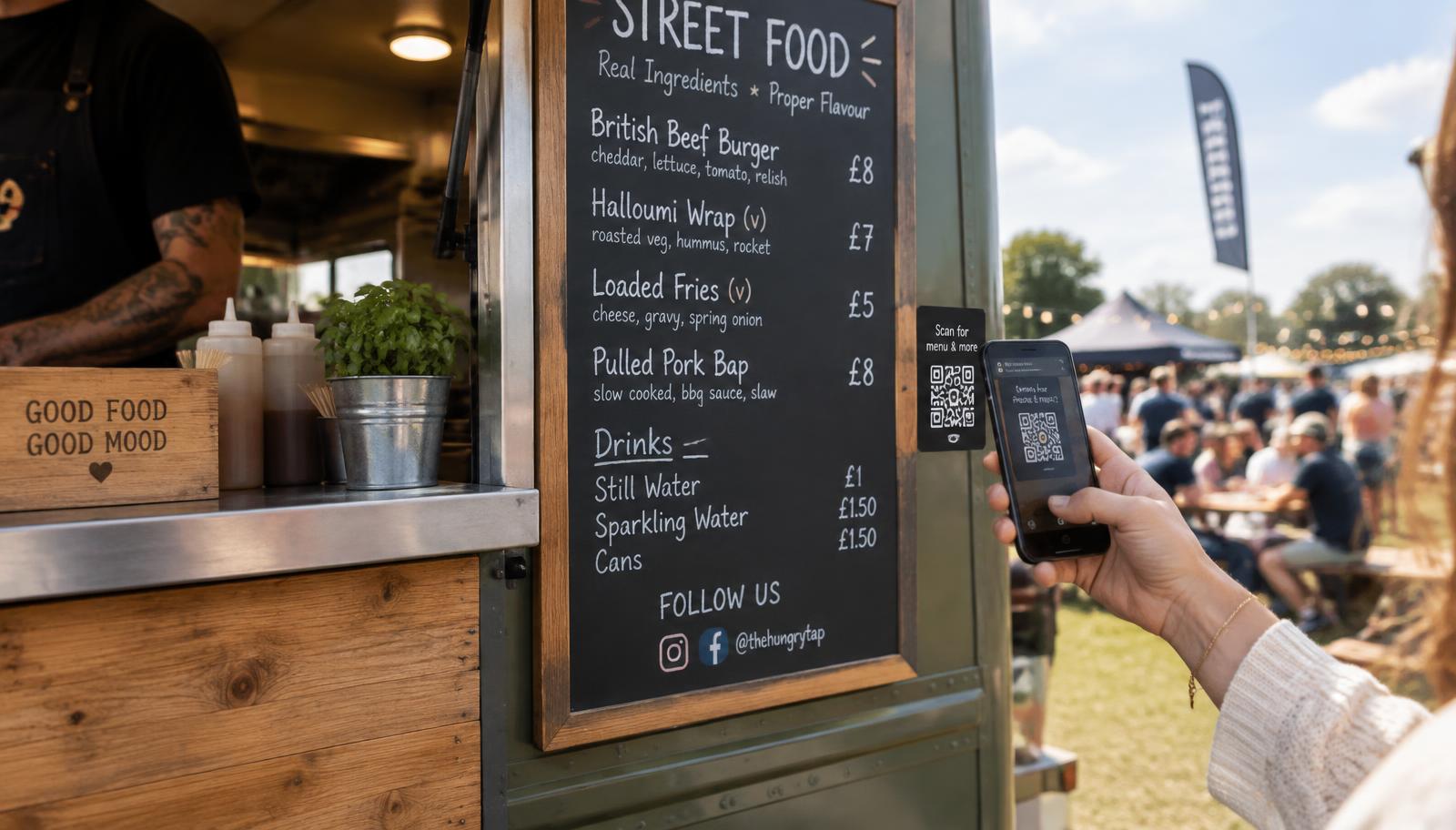
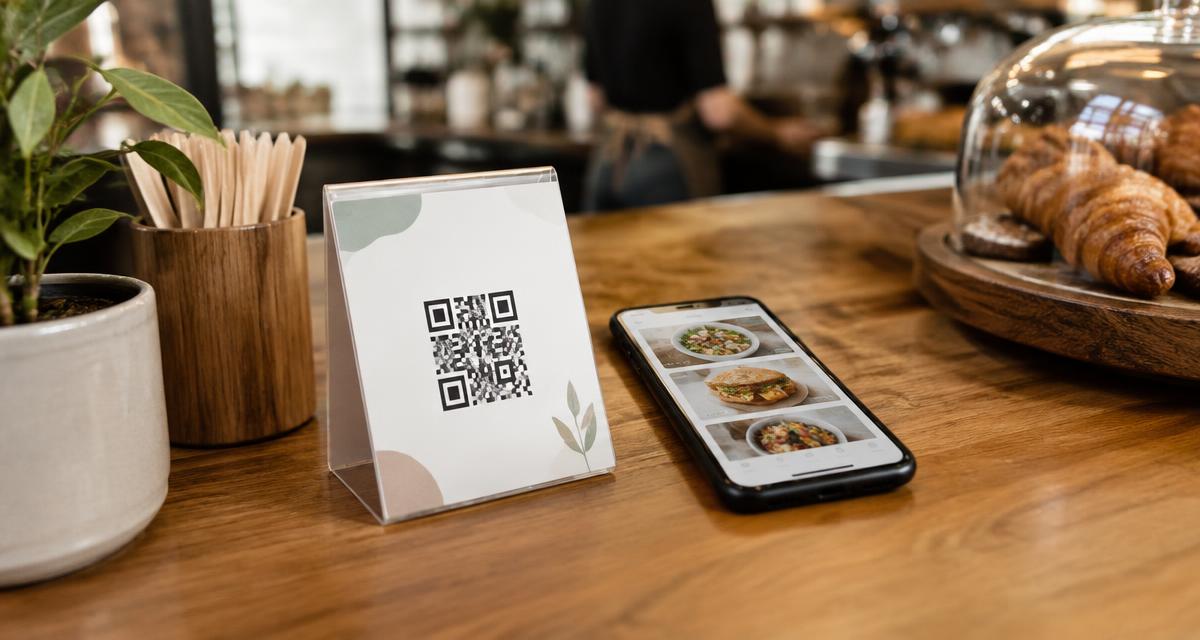
This is where a digital allergen menu helps. With Allergenius, you can add a cross-contact note to any dish, and customers see it when they scan your QR code, alongside the 14 allergens. If you change a supplier or a recipe, you update the dish once and every menu is correct straight away. No reprinting, no out-of-date folder behind the till.
Prove it: record what you do
If an environmental health officer (EHO) visits, they will want to see that you manage allergens, not just that you know the rules. Keep simple records.
| Record | What to write down | How often |
|---|---|---|
| Allergen information for each dish | All 14 allergens, plus any shared kit notes | Every time a recipe or supplier changes |
| Cleaning schedule | Blender jugs, fryers, boards, steam wands | Daily, signed off by shift |
| Staff training log | Who was trained, when, on what | At induction and every refresher |
| Allergy order checks | Spot checks that the routine was followed | Weekly |
| Supplier changes | Old product, new product, allergen differences | Every delivery change |
Our guide to EHO allergen inspections explains what officers usually ask for. If you still use a paper matrix, our free allergen matrix template is a good starting point.
Getting ready for higher expectations
The direction is clear. Owen’s Law, if it becomes law, would make written allergen information a legal requirement. Campaigners now want a rating for allergy management. Benedict’s Law has just brought new allergy duties for schools in England. Customers will keep asking harder questions.
You do not need to wait for new laws to act. Clean kit, separate tools, a clear allergy order routine and accurate written information protect your customers today and put you ahead of whatever comes next. Allergenius gives you the written part, from £15 a month, so you can focus on the kitchen.
See it for yourself
Want to see how cross-contact notes and allergen filters look to a customer? Open our demo menu on your phone. It takes 30 seconds and no app is needed.
When you are ready, sign up for Allergenius and build your first digital allergen menu today. Plans start at £15 a month, and if you would rather we set it up for you, our done-for-you service starts at £125.
Frequently asked questions
What is allergen cross contamination?
Allergen cross contamination, also called cross contact, is when an allergen gets into a food that should not contain it, for example through shared equipment, surfaces, cooking oil, utensils or hands. Even a tiny amount can cause a reaction in someone with a severe allergy, and cooking does not remove allergens.
Is it a legal requirement to prevent allergen cross contamination in the UK?
You must tell customers if food contains any of the 14 allergens, and you must manage allergen risks as part of food safety law. Failing to manage allergen contamination was one of the charges a Southwark cafe operator pleaded guilty to in January 2025. If you cannot avoid cross-contamination, the FSA says you should tell customers you cannot provide an allergen-free dish.
Can I cook gluten-free chips in the same fryer as battered fish?
No. The FSA’s guidance says gluten-free chips cannot be cooked in oil previously used for battered fish. If you only have one fryer, tell customers that food is cooked in shared oil.
How should I clean a blender after making a nut milkshake?
Take the jug, lid and blade apart and wash each part in hot soapy water, then rinse and dry. A quick rinse is not enough because thick sauces cling under the blades. For allergy orders, the safest option is a separate, clearly marked jug.
Is there an allergy rating for restaurants in the UK?
No. As of October 2026, there is no allergy rating scheme in England. The parents of Mia-Shay St Hilaire are campaigning for one, similar to the food hygiene rating, but it is a proposal, not law.
Should I use “may contain” on my menu?
Only when there is a real risk of cross-contact that you cannot control through cleaning and separation. Name the specific allergen, such as “may contain peanuts”, rather than a vague warning.
Ready to Simplify Allergen Management?
If you're looking for a solution to display your allergens to your customers, Allergenius makes it easy with digital menus and QR codes.
Get the free allergen matrix (PDF + editable Excel)
Enter your details and we'll email you both versions – the printable PDF for the kitchen wall, and the fill-in Excel version for your computer.
We'll email your download link straight away. A member of our team may be in touch to see how you're getting on. See our privacy policy.